Why Palmetto Homeowners Need a Pre-Hurricane Season Pressure Wash
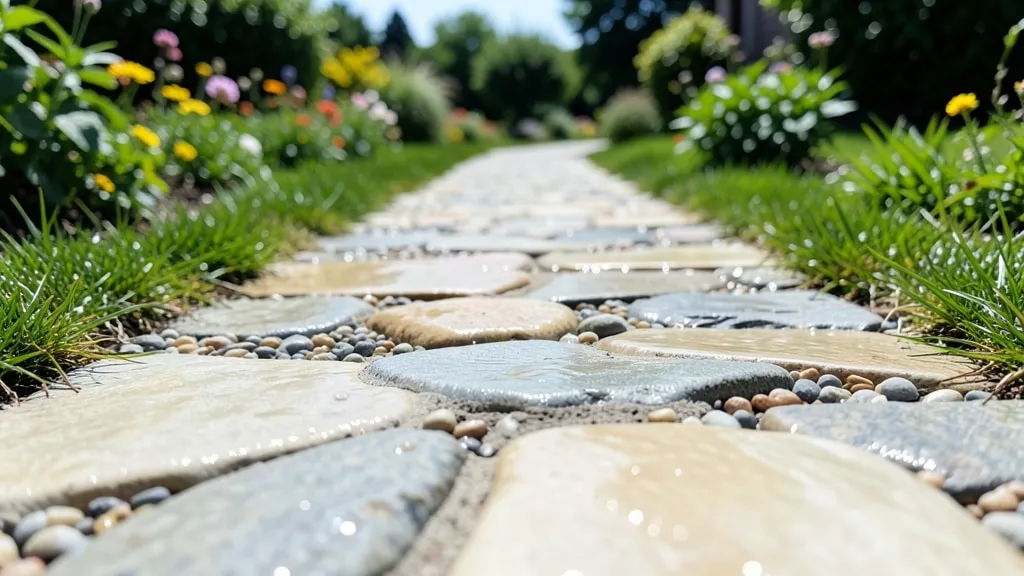
Florida’s hurricane season brings more than just wind and rain—it tests the integrity of your home’s exterior. A thorough pressure wash before storms hit removes contaminants that can weaken surfaces and trap moisture, setting the stage for costly damage. We’ve seen firsthand how a clean exterior holds up better when the weather turns.
Hurricane Season Threatens More Than Just Your Roof
High winds and torrential rain don’t just damage roofs—they exploit every weak spot on your home’s exterior. Dirt, algae, and salt buildup can compromise siding, decks, and driveways, making them more susceptible to water intrusion and structural stress.
In coastal areas like Ellenton and Rubonia, salt spray accelerates corrosion on metal fixtures and etches concrete. A pre-storm pressure wash strips these abrasive deposits, restoring protective barriers before they’re put to the test.
Mold and Mildew: The Silent Storm Prep Saboteurs
Florida’s humidity fuels mold and mildew growth, especially on north-facing walls and shaded areas. These organisms retain moisture, which can seep into wood, stucco, or even vinyl siding during a storm.
Soft washing—our go-to for delicate surfaces like roofs and fences—uses low PSI and specialized detergents to kill spores without damage. It’s the safest way to prep surfaces in Bradenton or Parrish before hurricane season peaks.
High-pressure washers in untrained hands can etch concrete, strip paint, or force water behind siding. Always hire professionals for pre-storm cleaning.
How Pressure Washing Extends the Life of Your Exterior
Dirt and grime act like sandpaper, slowly wearing down paint, sealants, and even masonry. A deep clean removes these abrasive layers, allowing protective coatings to perform as intended.
For driveways and walkways, pressure washing restores traction by removing slippery algae and oil stains. This is critical in neighborhoods like Terra Ceia, where post-storm flooding can create hazardous conditions.
Pre-Storm Pressure Washing vs. Post-Storm Cleanup
Many homeowners wait until after a storm to address exterior cleaning, but by then, damage may already be done. Pre-storm washing prevents debris from becoming embedded and reduces the risk of water damage during heavy rain.
Post-storm cleaning often requires more aggressive methods to remove storm-deposited contaminants like salt, silt, or organic matter. Pre-storm maintenance is proactive; post-storm is reactive—and usually more costly.
| Factor | Pre-Storm Washing | Post-Storm Washing |
|---|---|---|
| Primary Goal | Prevent damage, remove contaminants | Repair damage, restore appearance |
| Surface Condition | Clean, intact | Often stained, etched, or damaged |
| Required Pressure | Moderate (1,500–2,500 PSI) | Varies (often higher for embedded debris) |
| Detergents Used | Mild, preventive | Stronger, restorative |
| Time Sensitivity | Flexible (weeks before season) | Urgent (days after storm) |
Critical Areas to Address Before Hurricane Season
Not all surfaces need the same treatment. Roofs require soft washing to avoid damaging shingles, while driveways and sidewalks can handle higher PSI to blast away deep-seated stains.
Don’t overlook gutters and downspouts. Clogged gutters overflow during heavy rain, leading to water damage on fascias, soffits, and even foundations. We often bundle gutter cleaning with pressure washing for homes in Palmetto.
Pre-Hurricane Pressure Washing Checklist
- Soft wash roof to remove algae and moss
- Clean and seal driveway and walkways
- Pressure wash siding, fences, and decks
- Clear gutters and downspouts of debris
- Inspect and clean windows and screens
- Check for loose or damaged caulking and seals
The Role of Sealants and Protective Coatings
Pressure washing isn’t just about cleaning—it’s about prep. A clean surface allows sealants and waterproofing coatings to adhere properly, creating a stronger barrier against wind-driven rain.
For concrete driveways, we recommend resealing after pressure washing to prevent water absorption and cracking. In areas like Parrish, where soil shifts with heavy rain, this step can prevent costly repairs.
Schedule your pressure wash at least 2–3 weeks before hurricane season to allow surfaces to fully dry and sealants to cure.
Why Professional Equipment and Expertise Count
Consumer-grade pressure washers lack the power and precision for deep cleaning large areas. Our commercial-grade equipment delivers consistent PSI and GPM, ensuring thorough results without damage.
We also use surface-specific nozzles and detergents. For example, a 15-degree nozzle works for concrete, but a 40-degree nozzle is safer for wood decks. This expertise prevents costly mistakes.
How to Prepare Your Home for Pressure Washing Before Hurricane Season
A little prep work ensures great results and protects your property.
- 1Clear the Area
Remove outdoor furniture, potted plants, and vehicles from the work zone. Cover electrical outlets and sensitive landscaping.
- 2Inspect for Damage
Check for loose siding, cracked concrete, or damaged roof shingles. Address these issues before pressure washing to avoid worsening them.
- 3Choose the Right Method
Use soft washing for roofs, fences, and delicate surfaces. Reserve high-pressure washing for driveways, sidewalks, and masonry.
- 4Apply Protective Treatments
After cleaning, apply sealants to wood decks, concrete driveways, or masonry to enhance water resistance.
- 5Schedule Regular Maintenance
Plan for annual or bi-annual pressure washing, especially in high-humidity areas like Bradenton or Ellenton.
Frequently Asked Questions
How often should I pressure wash my home in Palmetto before hurricane season?
We recommend a thorough pressure wash at least once a year, ideally in late spring or early summer. Homes near the coast or in high-humidity areas like Rubonia may need it twice a year to combat salt and mold buildup.
Can pressure washing damage my home’s exterior?
Yes, if done incorrectly. High PSI can strip paint, etch concrete, or force water behind siding. That’s why we use the right pressure, nozzles, and detergents for each surface—whether it’s a delicate roof in Terra Ceia or a sturdy driveway in Parrish.
Is soft washing better than pressure washing for my roof?
Soft washing uses low pressure and specialized cleaners to safely remove algae, moss, and lichen without damaging shingles. It’s the only method we use for roofs, as high pressure can cause leaks.
What’s the difference between pressure washing and power washing?
Pressure washing uses cold water, while power washing uses heated water. The heat in power washing helps break down grease and oil, making it ideal for driveways and commercial surfaces. For most residential needs in Palmetto, pressure washing is sufficient.
Do I need to pressure wash my gutters before hurricane season?
Yes. Clogged gutters can’t handle heavy rainfall, leading to overflow and water damage. We often include gutter cleaning with our pressure washing services to ensure your home is fully prepped for storm season.
How long does it take for surfaces to dry after pressure washing?
Most surfaces dry within 24–48 hours, depending on humidity and weather. In Florida’s climate, it’s best to schedule sealing or painting at least 48 hours after washing to ensure a clean, dry surface.