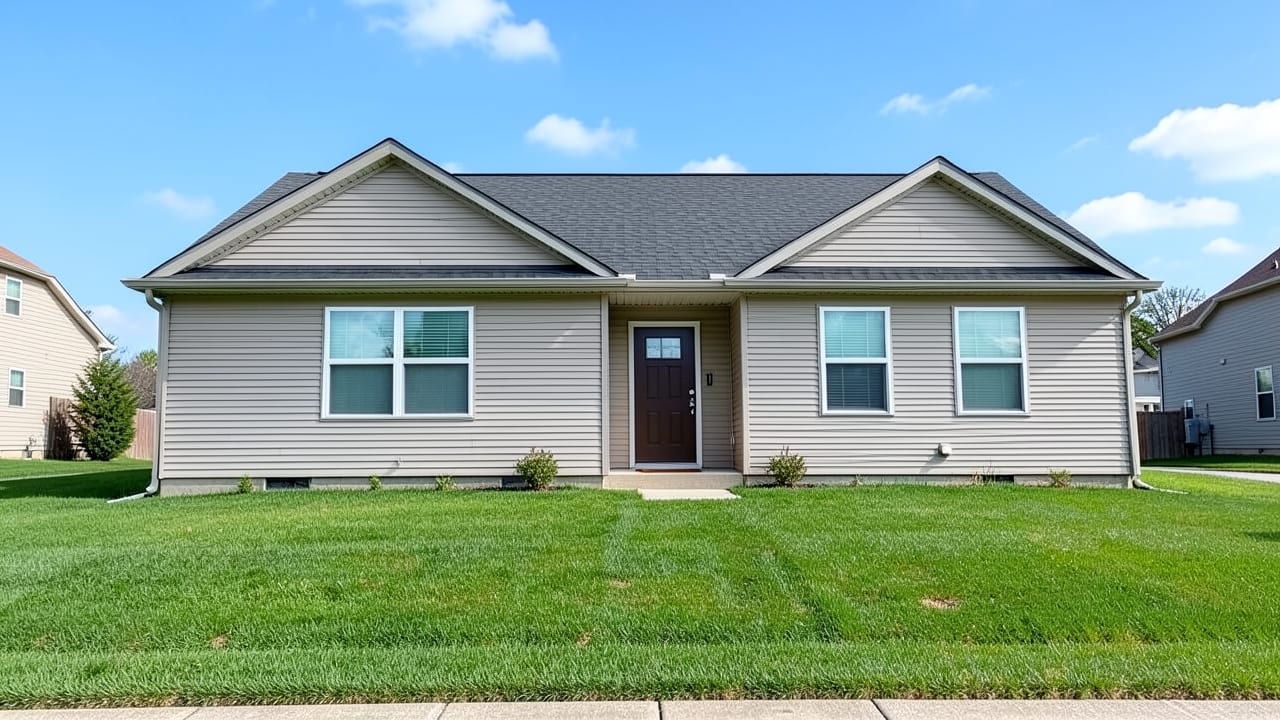
Rental Property Washing
High-pressure cleaning of rental property exteriors to remove dirt, grime, and mold.
Palmetto, FL’s humid subtropical climate fosters rapid algae, mold, and grime buildup on rental property exteriors. Pressure washing restores driveways, sidewalks, decks, and siding to a clean, like-new state using targeted water pressure and chemical pre-treatment.
This service preserves curb appeal and property value while addressing common issues like streaking, uneven cleaning, and hidden water damage risks. Local providers use specialized techniques to protect landscaping and avoid damaging delicate surfaces like vinyl or stucco.
We also handle Metal Fence Cleaning and Stone Patios Cleaning for Palmetto properties.
When to schedule a rental property wash
Rental property exteriors in Palmetto often show subtle signs of dirt and algae before the problem becomes obvious. Green or black streaking on shaded walls, a chalky residue when running a hand over siding, or cobwebs collecting in corners are early warnings.
These issues worsen in humid conditions, where algae spreads steadily once established. A thorough wash every 12–18 months can prevent deeper stains and protect surfaces from long-term damage.
Vegetation touching the siding or a sprinkler aimed at the wall keeps sections damp longer, accelerating algae regrowth. Clogged gutters also contribute by funneling roof grime down the siding. Addressing these factors before cleaning maximizes the wash’s effectiveness and delays the need for repeat service.
Signs Your Property Needs Cleaning
- Green or black streaking on shaded walls (algae or mildew).
- Chalky residue when touching siding (oxidation or grime buildup).
- Cobwebs or debris in corners, under eaves, or around fixtures.
- Vegetation growing close to or touching the siding.
- Uneven streaking or ‘zebra striping’ after a previous wash.
How cleaning methods affect results
Not all pressure washing is the same—using the wrong technique or pressure can damage surfaces or leave streaks. A proper rental property wash starts with a detergent pre-treatment tailored to the siding material (vinyl, wood, stucco, or fiber cement), which chemically breaks down algae and mildew before rinsing.
This step is critical in Palmetto’s humidity, where mold spreads quickly if left untreated.
Soft-washing at low pressure (under 500 psi) with a wide-fan tip ensures even coverage without forcing water behind siding seams. Spot treatment for stubborn stains uses concentrated detergent, not higher pressure, to avoid hidden damage.
A final clear-water rinse removes residue, and a daylight inspection checks for missed spots or panel damage.
| Surface Type | Max Safe Pressure (PSI) | Key Risk if Over-Pressured |
|---|---|---|
| Vinyl Siding | 800–1,200 | Split seams or cracked panels |
| Wood Siding | 1,200–1,500 | Wood splintering or finish stripping |
| Stucco | 1,500–2,000 | Cracking or mortar loosening |
| Fiber Cement | 1,200–1,500 | Factory finish damage |
| Concrete Driveway | 2,500–4,000 | Surface pitting or etching |
What affects pricing and timing
The cost of rental property washing depends on square footage, surface types, and access challenges. Palmetto providers typically charge $51 per square foot for full exterior cleaning, but this varies based on whether driveways, decks, or roofs are included.
Jobs requiring scaffolding or multiple-story work may take longer and cost more. Seasonal factors also play a role—scheduling in dry months avoids prolonged dampness, which can encourage mold regrowth.
Pre-existing damage, like cracked paint or loose mortar, may surface once dirt is removed. Some providers include a post-wash inspection to note these issues, while others charge extra. Always confirm whether sealing driveways or decks is included, as this is often an add-on service.
How rental property washing works
- 1Pre-Treatment with Detergent
A cleaning solution formulated for the siding material is sprayed at low pressure and left to dwell. This chemically breaks down algae, mold, and grime without relying on brute force, which can damage surfaces or force water behind panels.
- 2Soft-Wash Rinse
The siding is rinsed using a wide-fan tip at under 500 PSI, working top to bottom in overlapping passes. Inconsistent wand speed causes streaking, so maintaining a steady pace is critical for an even finish.
- 3Spot Treatment for Stubborn Stains
Areas with heavy algae or mildew receive a second, concentrated detergent pass. Higher pressure is avoided to prevent pushing water into siding seams, which can lead to mold or rot inside wall cavities.
- 4Final Rinse and Inspection
A clear-water rinse removes all detergent residue, and the cleaned surface is inspected in daylight for missed spots or damage. Any panels showing lifting or cracks are noted for separate attention.
Frequently asked questions
How do I know if my siding needs pressure washing?
Look for green or black streaking on shaded walls, a chalky residue when touching the siding, or cobwebs in corners. These signs indicate algae, mold, or grime buildup. If vegetation touches the siding or a sprinkler is aimed at the wall, those areas will need more frequent cleaning.
Can pressure washing damage my siding or roof?
Yes, if the wrong pressure or technique is used. Vinyl siding can split, stucco may crack, and roofs can leak if water is forced behind panels. Always confirm the provider uses a soft-wash method (under 500 PSI) and specifies the PSI for each surface in the quote.
Will pressure washing kill algae or mold permanently?
A proper wash removes existing algae and mold, but these can return if moisture conditions (like shaded walls or sprinklers) aren’t addressed. Trimming vegetation away from the siding and ensuring gutters are clear helps prevent rapid regrowth.
How long does it take to clean a rental property exterior?
The time depends on the property size, surface types, and access. A single-story home with siding, driveway, and deck typically takes 4–6 hours. Multi-story homes or those with intricate details may require a full day. Always ask for an estimated timeline during the quote process.
Where Palmetto sits, and what the Census lists nearby
Palmetto sits in Florida, and the closest places listed in the U.S. Census Gazetteer are Memphis (1.8 miles northeast), Bradenton (2.4 miles south), West Bradenton (2.9 miles southwest), Ellenton (3 miles east). Within 25 miles of Palmetto the same source lists 56 distinct incorporated places and census-designated places.
Those figures matter for rental property washing because they are straight-line distances between Census coordinate points: road mileage between Palmetto and Memphis runs longer than the 1.8 miles shown, which is why quotes for the same job differ between towns that look close together on a map.
Source: U.S. Census Bureau Gazetteer.
See Desoto Acres, FL for more, or check out our full Palmetto-area coverage across the area for our complete lineup.
Ready to get started?
Talk to a local pressure washing pro in Palmetto — get a written quote.
Other Pressure Washing Services in Palmetto
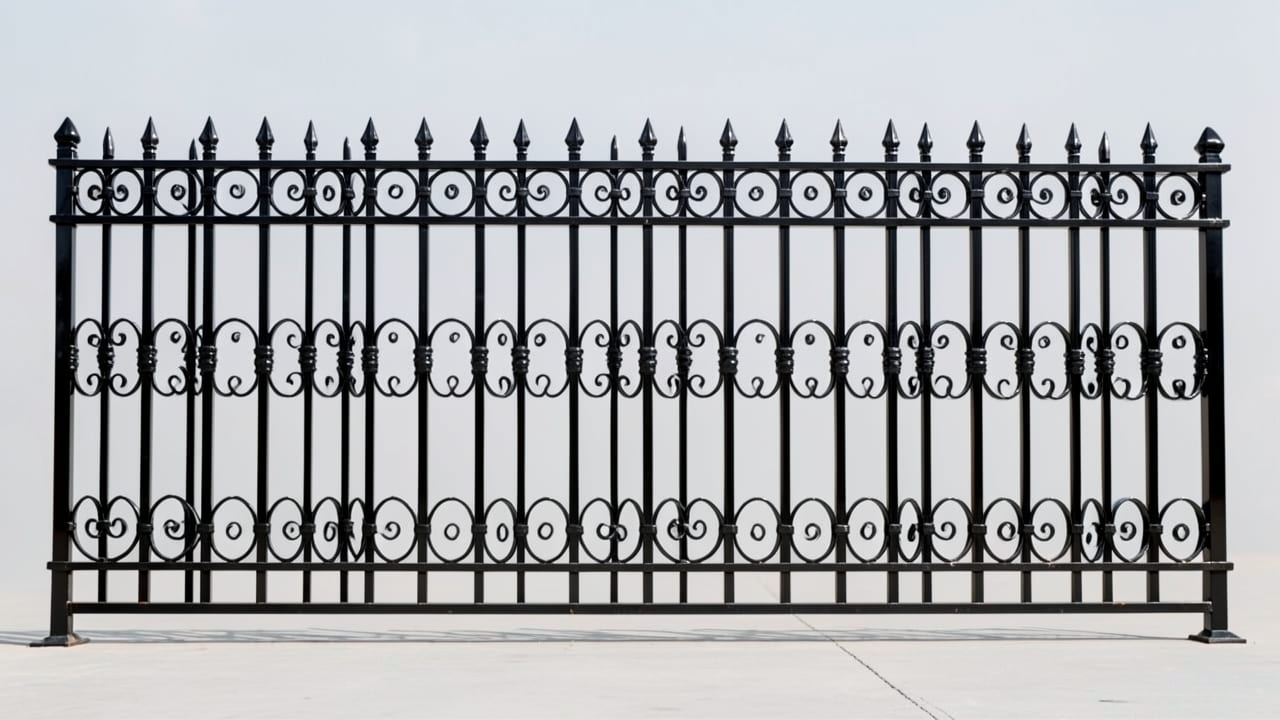
Metal Fence Cleaning in Palmetto, FL
High-pressure washing to remove dirt, rust, and stains from metal fences for restored appearance.
Learn More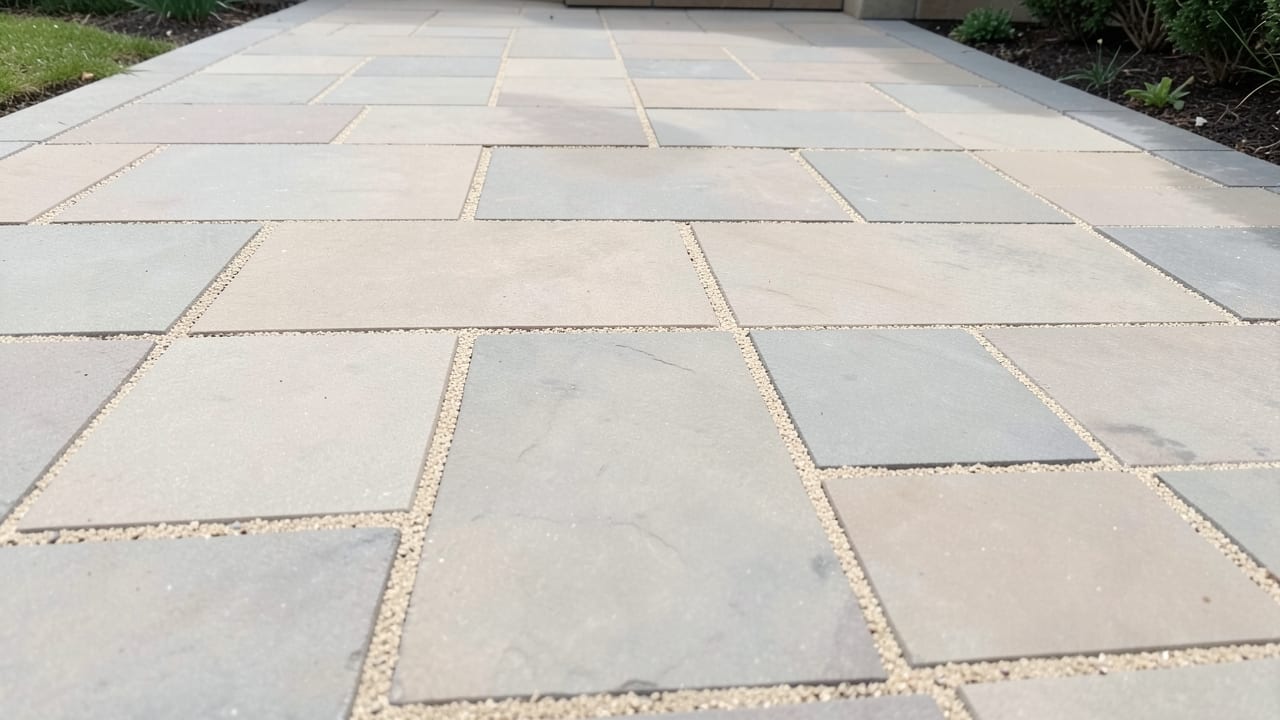
Stone Patios Cleaning in Palmetto, FL
High-pressure washing to remove dirt, stains, and grime from stone patio surfaces.
Learn More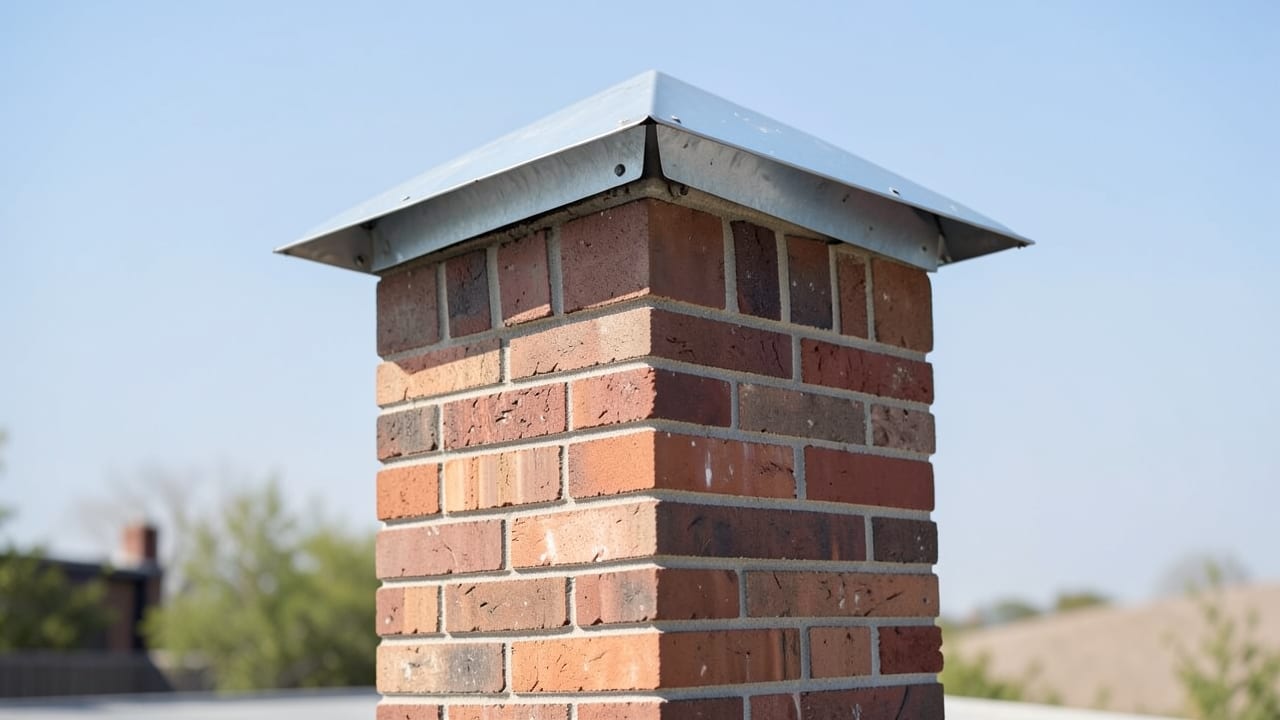
Chimney Exterior Cleaning in Palmetto, FL
Pressure washing to remove soot, dirt, and stains from chimney exteriors.
Learn More
Exterior Light Fixture Cleaning in Palmetto, FL
Professional cleaning of outdoor light fixtures to remove dirt, grime, and debris using pressure washing.
Learn More
Exterior Door Cleaning in Palmetto, FL
High-pressure cleaning to remove dirt, grime, and stains from exterior doors.
Learn More
Shutter Cleaning in Palmetto, FL
Professional pressure washing to remove dirt, grime, and debris from exterior shutters.
Learn MoreCommon Questions About Pressure Washing in Palmetto
Everything you need to know about pressure washing services in Palmetto
How much does Rental Property Washing typically cost in Palmetto, FL?
Why does algae and mildew growth on homes in Palmetto, FL come back so quickly?
How often should a home's exterior actually be washed?
Are the cleaning chemicals used in soft washing safe for landscaping and pets?
Would home insurance cover damage caused by improper pressure washing?
Can pressure washing strip paint or an existing sealant off a surface?
Need Pressure Washing in Palmetto?
Get a written quote from our Palmetto crew.
⏰ We answer your call • Serving all of Palmetto and surrounding areas