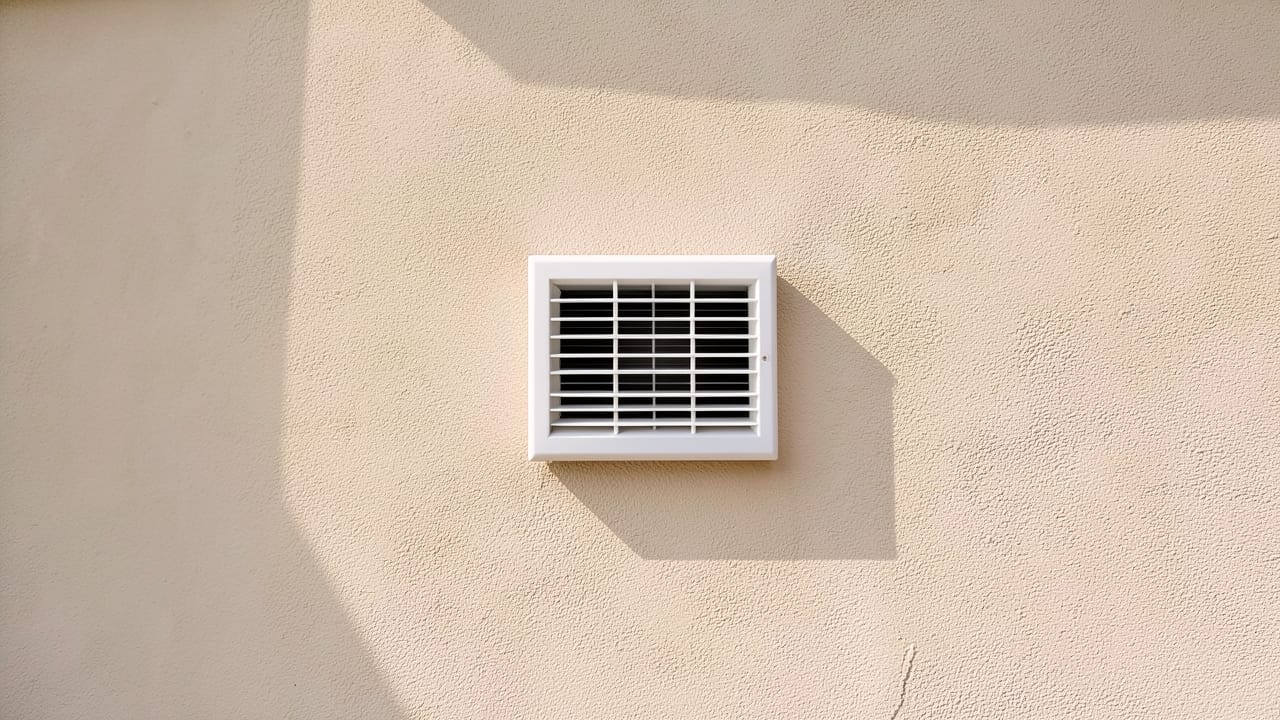
Exterior Vent Cleaning
Professional cleaning of exterior vents using pressure washing to remove dirt, debris, and blockages.
Exterior vent cleaning in Palmetto, FL, removes accumulated dirt, dust, and debris from dryer, bathroom, and kitchen vents using pressure washing. This service restores proper airflow, prevents fire hazards, and improves energy efficiency by ensuring vents function as intended.
Serving Palmetto and surrounding areas like Ellenton and Bradenton, this targeted cleaning helps maintain a safe and efficient home environment.
We also handle Rental Property Washing and HOA Common Area Washing for Palmetto properties.
Why your home needs exterior vent cleaning
Exterior vents are prone to clogging from cobwebs, insect debris, and seasonal buildup, especially in humid climates like Palmetto. Over time, this blockage reduces airflow, forcing appliances like dryers to work harder and increasing energy costs.
Worse, clogged dryer vents are a leading cause of house fires, as lint buildup can ignite when overheated.
Even if your vents look clean from the outside, hidden debris can trap moisture and promote mold growth inside walls. This not only compromises indoor air quality but can also lead to structural damage over time.
Regular cleaning every 1–2 years—especially after moving in or noticing reduced appliance efficiency—keeps your home running safely and efficiently.
Signs Your Vents Need Cleaning
- Lint or debris visibly escaping from dryer vents when the appliance is running
- Musty or damp smells near vents, indicating trapped moisture or mold growth
- Increased energy bills due to appliances (like dryers) struggling to expel air
- Cobwebs or insect nests visible around exterior vent covers or grilles
- Appliances taking longer to heat up or cool down than usual
How buildup happens—and how to slow it down
Vent blockages form gradually, often starting in corners, under eaves, or near light fixtures where debris collects. In Palmetto’s humid climate, moisture accelerates the process, allowing mold and mildew to take hold in as little as 24–48 hours if vents are neglected.
Overgrown vegetation near vents keeps them shaded and damp, creating ideal conditions for buildup.
Preventative measures like trimming bushes away from vents and ensuring gutters don’t overflow onto siding can reduce how often cleaning is needed. A clogged gutter, for example, sends water cascading down the siding and into vents, accelerating dirt accumulation.
Regularly checking vents for signs of debris—like a fine chalky residue when touched—can help catch issues early.
| Common Culprit | Where It Collects | How to Mitigate |
|---|---|---|
| Lint and fabric fibers | Dryer vents, behind grilles | Clean dryer lint trap before/after every use; install a vent brush for DIY maintenance |
| Insect nests and cobwebs | Bathroom/kitchen vents, eaves | Seal small gaps around vents with mesh; trim nearby foliage |
| Mold and mildew | Shaded or damp vent areas | Improve airflow with a vent fan; keep vegetation 2+ feet away |
| Roof grime and debris | Vents below gutters or downspouts | Clean gutters biannually; redirect downspout runoff away from vents |
What to expect during the cleaning process
Exterior vent cleaning is a precise process that prioritizes safety and effectiveness. Before any pressure washing begins, landscaping near the foundation is protected with barriers, and outlets or fixtures are bagged to prevent water damage.
This step is critical, as runoff from cleaning solutions is a more common complaint than the wash itself.
The actual cleaning uses a low-pressure, wide-fan nozzle to avoid damaging vent covers or surrounding materials. Stubborn debris is targeted with spot treatments rather than increased pressure, which could force water behind siding or into wall cavities—leading to hidden mold or rot.
A final inspection in daylight ensures every vent is clear and no damage has occurred.
Using a pressure washer without proper technique can strip vent covers, damage siding seams, or push water into wall cavities. Improper pressure (over 500 PSI) risks cracking vent housings or forcing water behind panels, creating mold hotspots. Always hire a professional for exterior vent cleaning to ensure safety and longevity.
How exterior vent cleaning works
- 1Preparation and Protection
Landscaping near vents is wetted down and covered, and nearby outlets or fixtures are sealed with bags. This prevents cleaning solution runoff from damaging plants or electronics, addressing the most common post-service complaints.
- 2Low-Pressure Rinse
A wide-fan nozzle (under 500 PSI) is used to dislodge loose debris from vent grilles and surrounding areas. The goal is to clear blockages without risking water intrusion behind siding or into wall cavities.
- 3Spot Treatment for Stubborn Buildup
Areas with heavy mold, mildew, or lint are targeted with a second, more concentrated pass. Higher pressure is avoided; instead, a longer dwell time with a specialized detergent breaks down grime chemically.
- 4Final Inspection
Every vent is checked in daylight for missed spots or damage. A clear-water rinse removes detergent residue, and the technician verifies no water was forced behind panels, which could lead to hidden mold.
Frequently asked questions
How often should exterior vents be cleaned in Palmetto’s climate?
Ideally, vents should be cleaned every 1–2 years, or more frequently if you notice reduced airflow, musty smells, or visible debris. Humidity in Palmetto accelerates buildup, so annual checks are recommended for dryer vents, which are a fire hazard when clogged.
Will cleaning my vents improve my dryer’s efficiency?
Yes. Clogged vents force dryers to work harder, increasing energy use by up to 30%. A professional cleaning restores proper airflow, reducing drying time and lowering utility bills. It also extends the lifespan of your dryer by preventing overheating.
Can mold grow inside walls from dirty vents?
Absolutely. Trapped moisture and debris in vents create the perfect environment for mold, which can spread into wall cavities if left unchecked. Regular cleaning prevents this, but if mold is already present, a professional should assess and treat it to avoid structural damage.
Do I need to do anything to prepare my home for vent cleaning?
No special prep is required beyond moving small items (like planters) away from vents. The technician will handle protection for landscaping, outlets, and fixtures. However, trimming vegetation near vents beforehand can improve access and reduce cleanup time.
Where Palmetto sits, and what the Census lists nearby
Palmetto sits in Florida, and the closest places listed in the U.S. Census Gazetteer are Memphis (1.8 miles northeast), Bradenton (2.4 miles south), West Bradenton (2.9 miles southwest), Ellenton (3 miles east). Within 25 miles of Palmetto the same source lists 56 distinct incorporated places and census-designated places.
Those figures matter for exterior vent cleaning because they are straight-line distances between Census coordinate points: road mileage between Palmetto and Memphis runs longer than the 1.8 miles shown, which is why quotes for the same job differ between towns that look close together on a map.
Source: U.S. Census Bureau Gazetteer.
See Terra Ceia, FL for more, or find out about every option available in Palmetto for our complete lineup.
Ready to get started?
Talk to a local pressure washing pro in Palmetto — get a written quote.
Other Pressure Washing Services in Palmetto
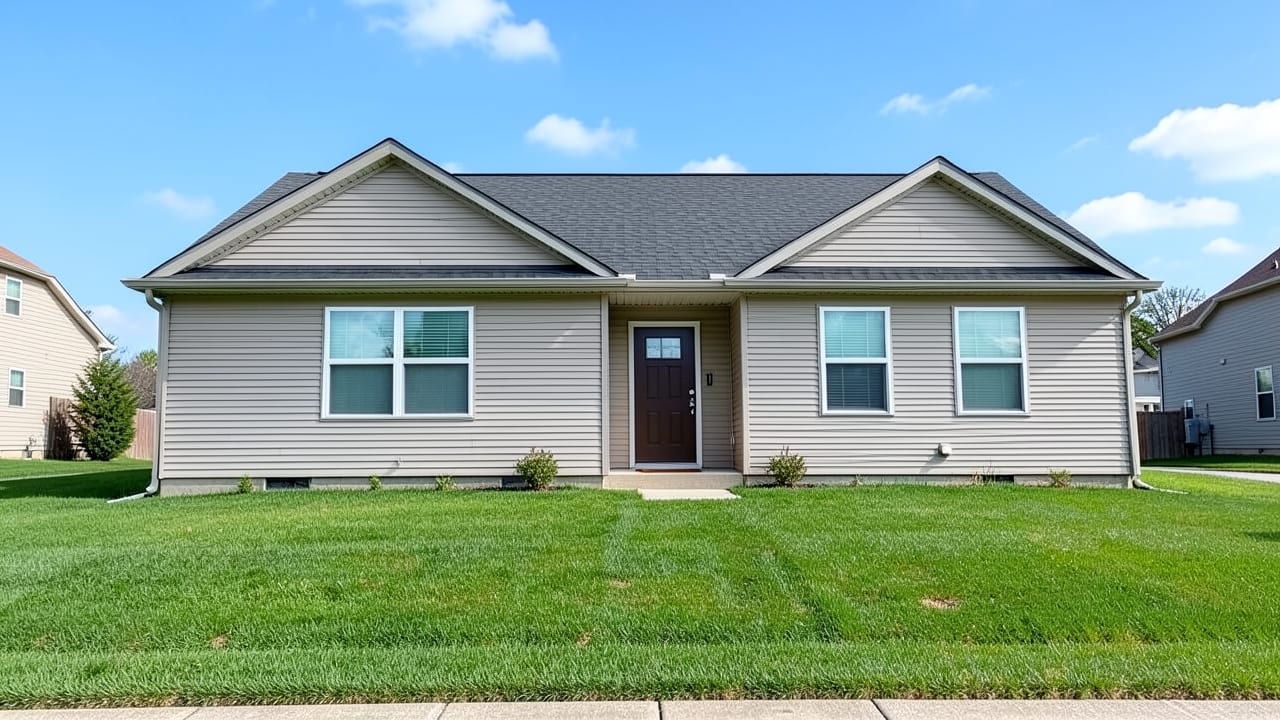
Rental Property Washing in Palmetto, FL
High-pressure cleaning of rental property exteriors to remove dirt, grime, and mold.
Learn More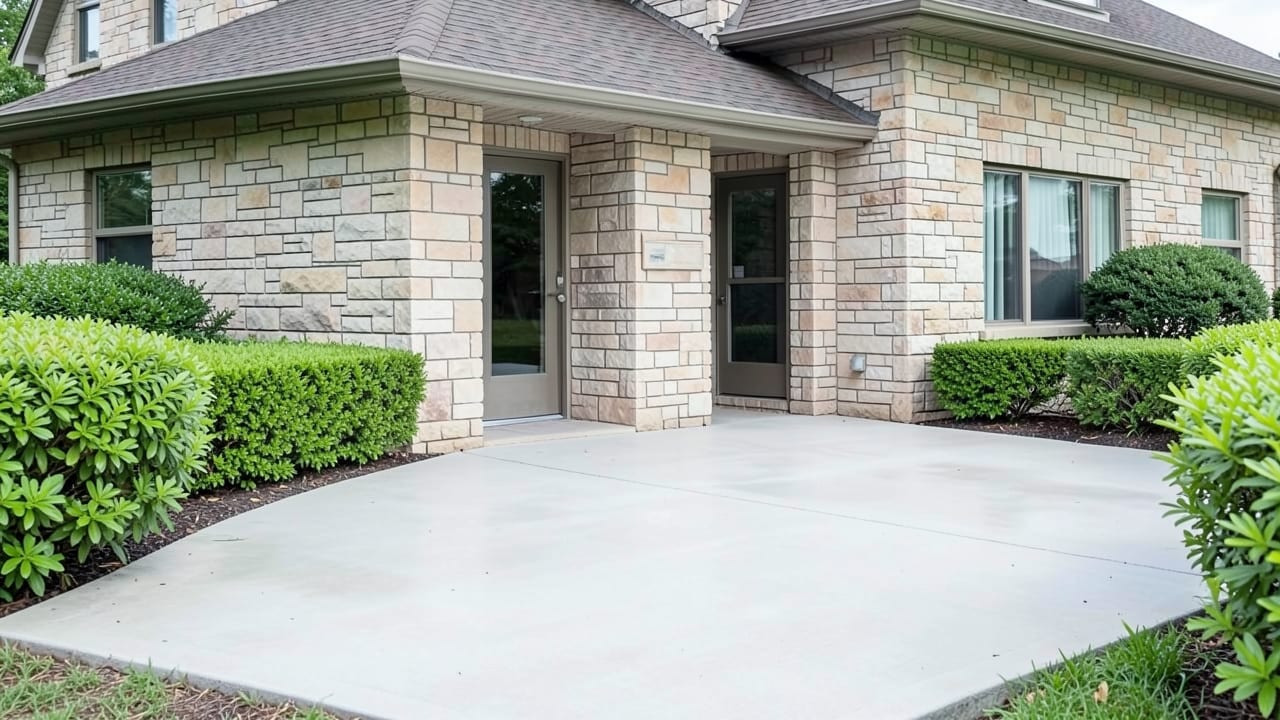
HOA Common Area Washing in Palmetto, FL
Pressure washing HOA common areas like sidewalks, playgrounds, and entryways to remove dirt and grime.
Learn More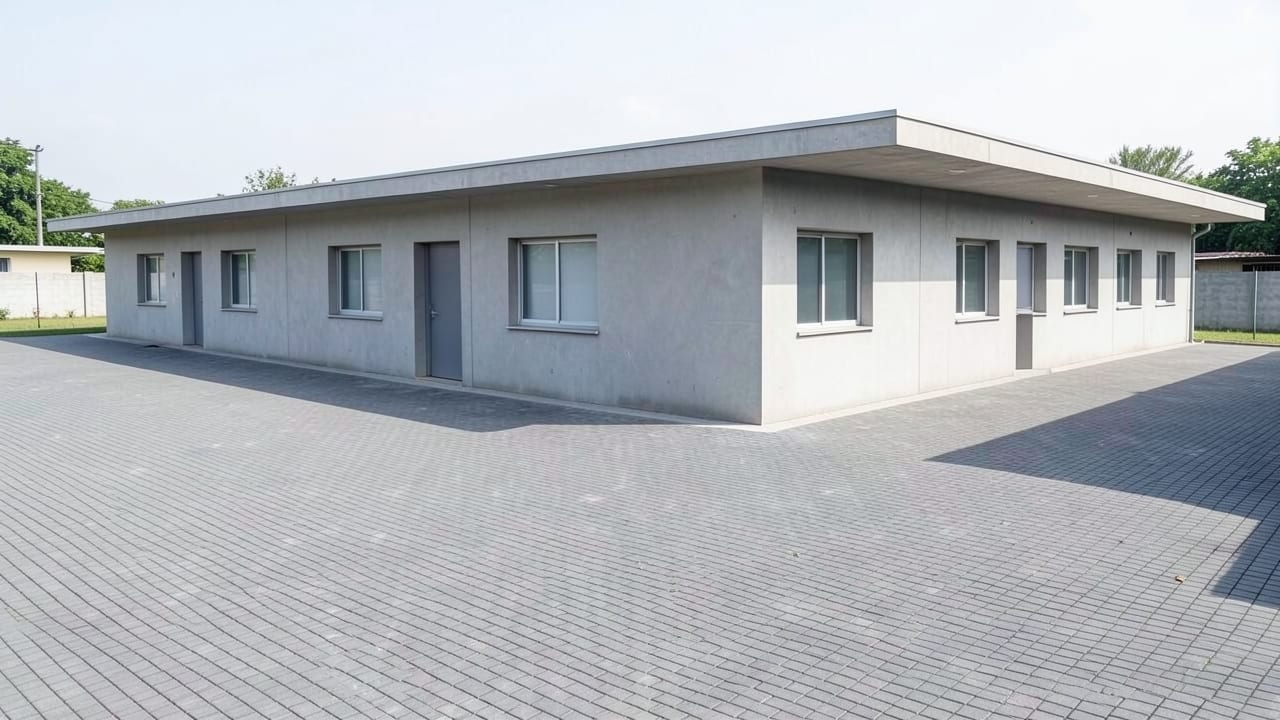
School Building Washing in Palmetto, FL
High-pressure cleaning of school building exteriors to remove dirt, grime, and stains.
Learn More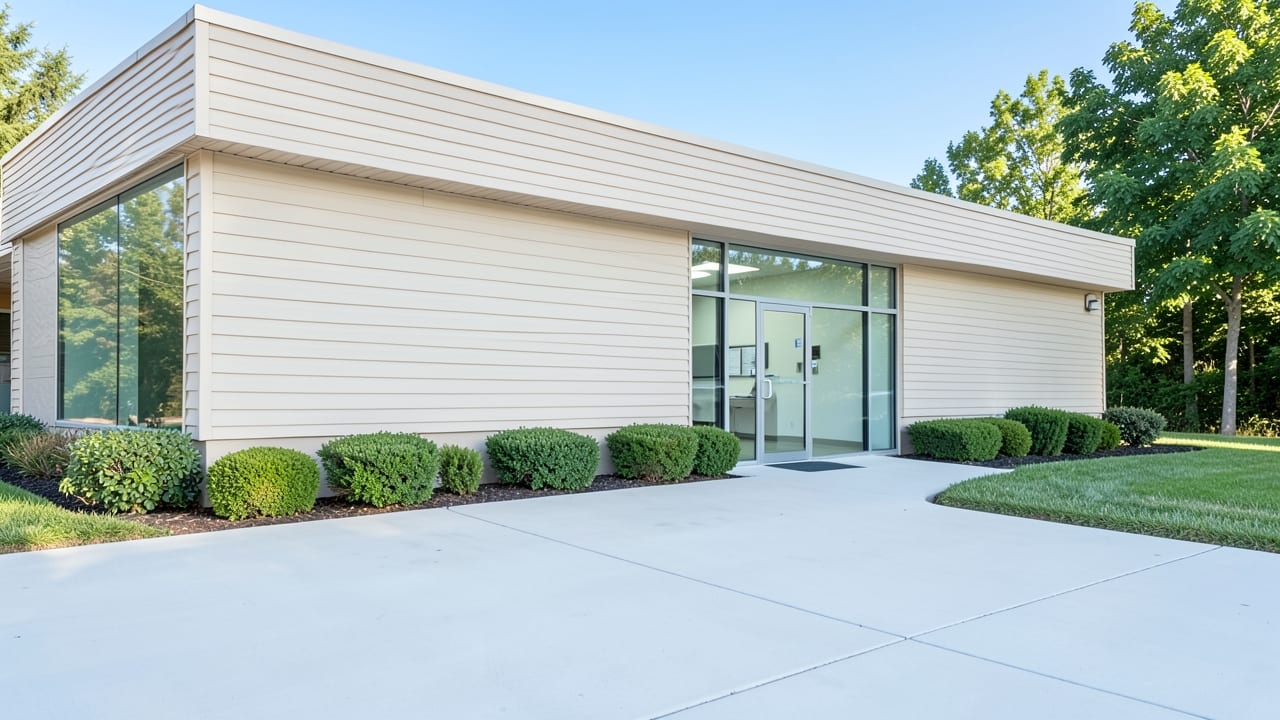
Medical Clinic Exterior Washing in Palmetto, FL
High-pressure cleaning of medical clinic exteriors to remove dirt, grime, and contaminants.
Learn More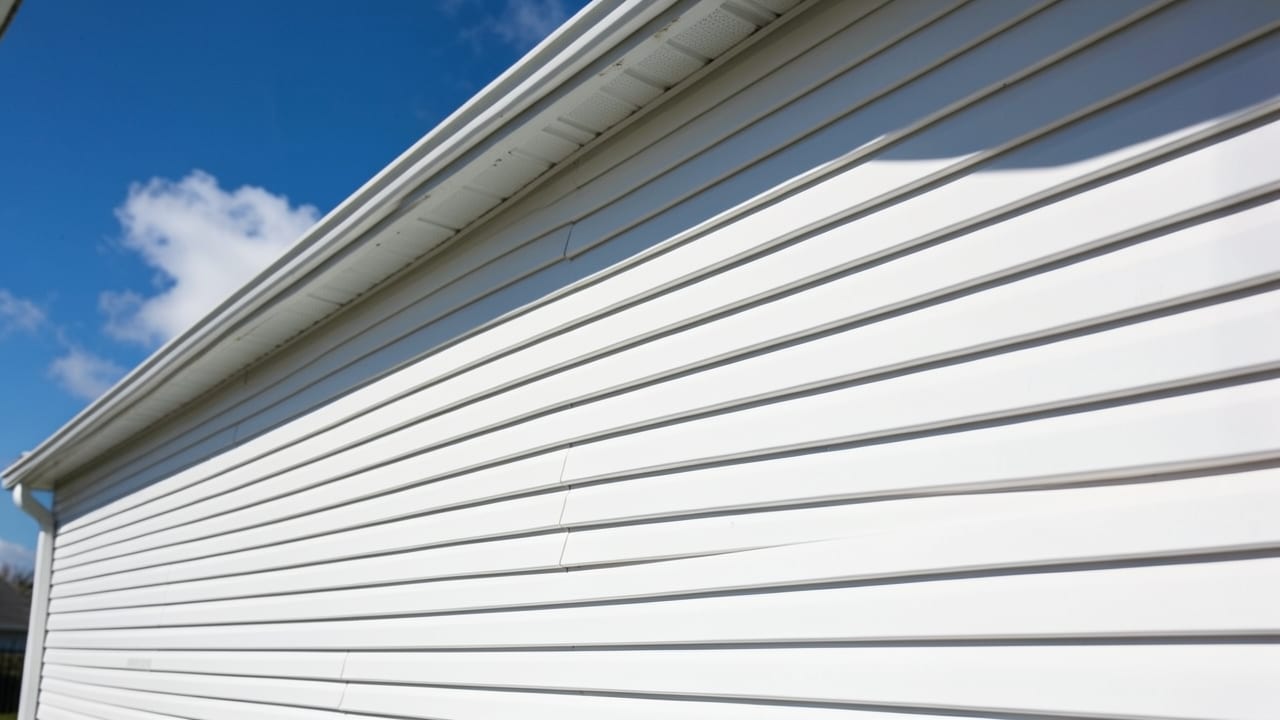
Hard Water Stain Removal in Palmetto, FL
Pressure washing to remove hard water stains from exterior surfaces.
Learn More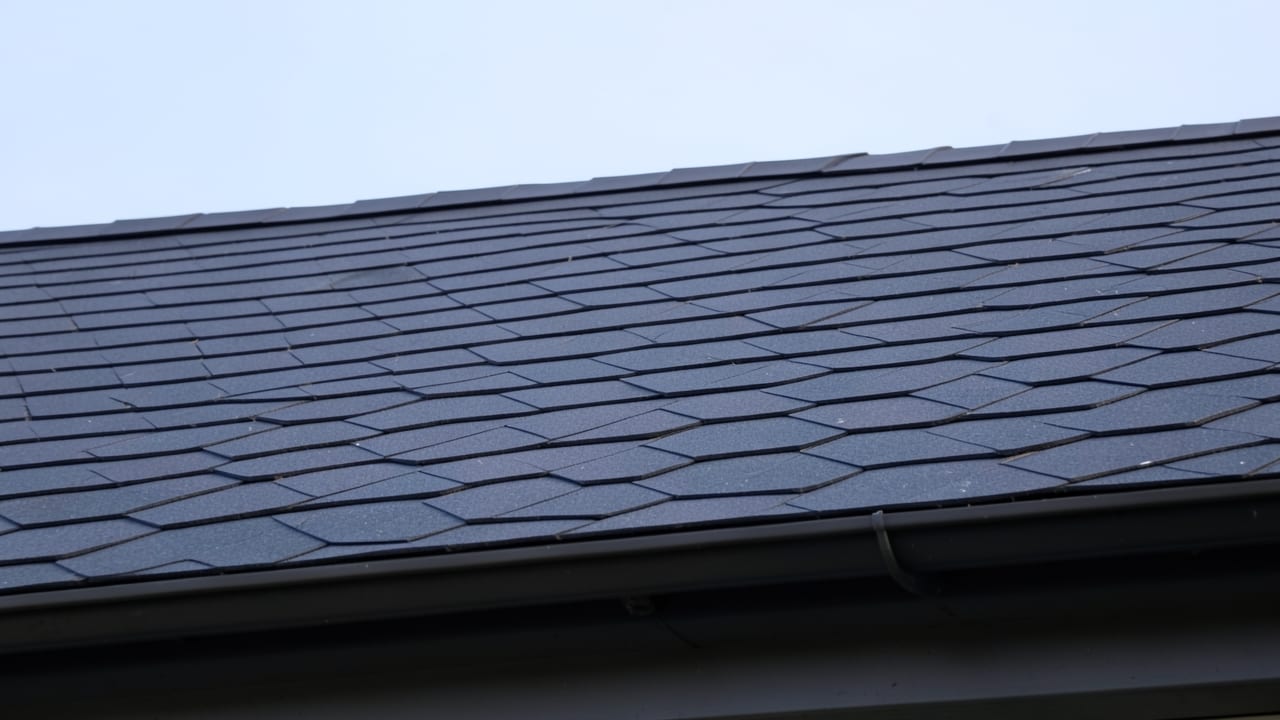
Algae Treatment in Palmetto, FL
Professional pressure washing to remove algae from exterior surfaces like roofs, siding, and driveways.
Learn MoreCommon Questions About Pressure Washing in Palmetto
Everything you need to know about pressure washing services in Palmetto
How much does Exterior Vent Cleaning typically cost in Palmetto, FL?
Why does algae and mildew growth on homes in Palmetto, FL come back so quickly?
Can pressure washing strip paint or an existing sealant off a surface?
Is renting a pressure washer and doing the job at home a reasonable option?
How long does washing a typical house exterior take?
Can pressure washing damage concrete, pavers, or mortar joints?
Need Pressure Washing in Palmetto?
Get a written quote from our Palmetto crew.
⏰ We answer your call • Serving all of Palmetto and surrounding areas